
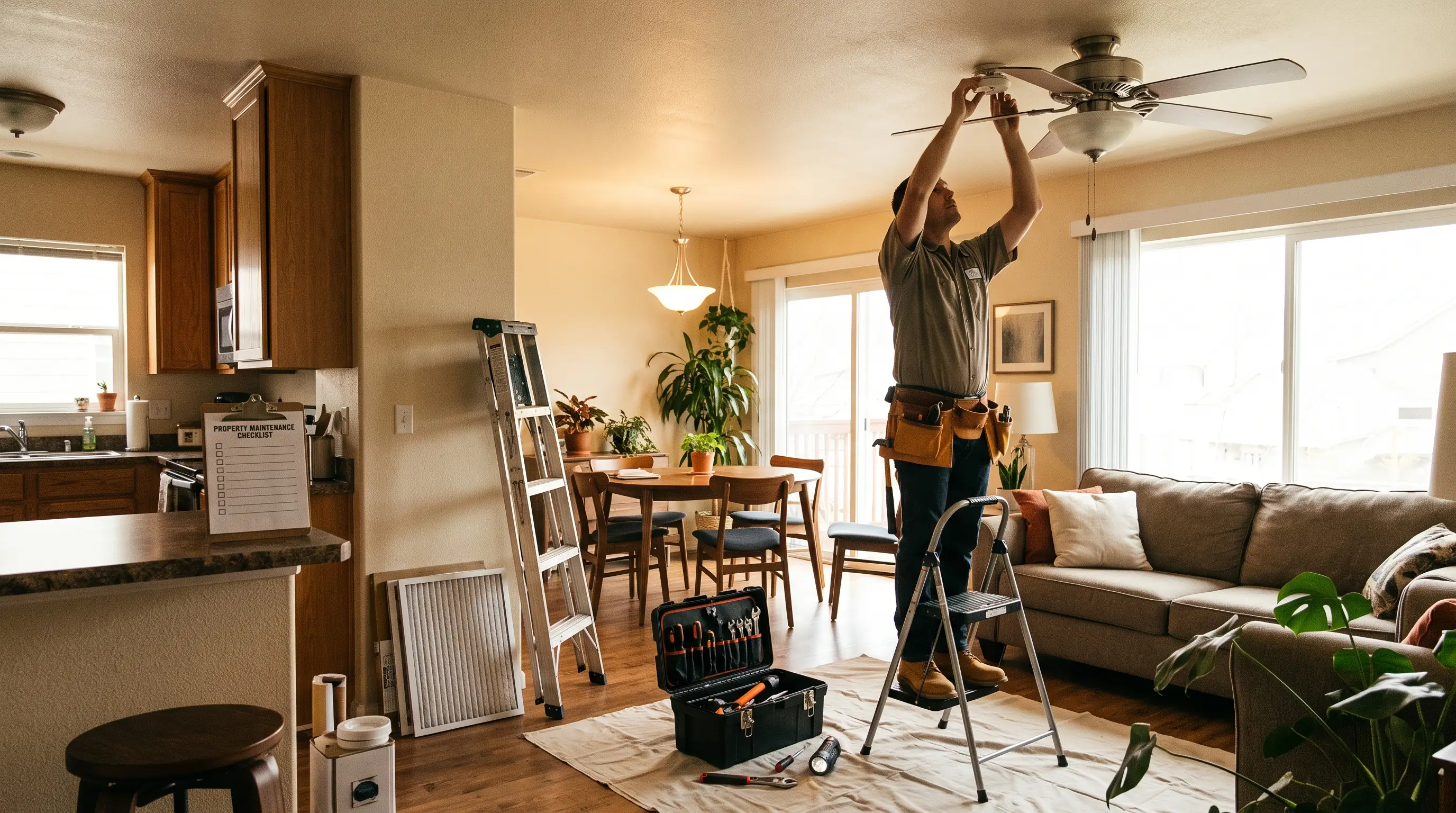
North Idaho's climate is a landlord's constant companion, and not always a gentle one. Between heavy snowfall in winter, spring thaws that flood basements, and dry summer heat that stresses roofing and siding, rental properties in this region face a unique set of challenges. Property owners who wait until something breaks are often left dealing with costly repairs, unhappy tenants, and lost rental income. A proactive approach to maintenance protects both the property and the investment behind it.
For landlords managing properties in Hayden, Coeur d'Alene, Sandpoint, and the surrounding areas, understanding how seasonal weather patterns affect a home is the first step toward keeping it in top condition. This guide walks through why preventive maintenance matters so much in North Idaho and how it can save property owners time, money, and stress throughout the year.
Key Takeaways
North Idaho's seasonal extremes make preventive maintenance essential for protecting rental property value.
Small issues like clogged gutters or cracked seals can turn into expensive repairs if ignored.
Regular inspections help landlords catch weather-related damage before it affects tenants.
Working with a professional property management team reduces the burden of year-round upkeep.
How North Idaho's Climate Puts Rental Properties at Risk
North Idaho experiences four distinct seasons, each bringing its own set of risks to a rental property. Winters can drop well below freezing with significant snow accumulation, putting pressure on roofs, gutters, and pipes. Spring often brings rapid snowmelt combined with rainfall, which can overwhelm drainage systems and lead to water intrusion. Summers, while shorter, bring dry heat and wildfire smoke that can affect air quality and strain HVAC systems. Fall serves as a critical transition period when landlords need to prepare properties for the freeze ahead.
Each of these seasonal shifts places different demands on a home's structure and systems. A roof that handled last winter's snow load might not be ready for a heavier season. Pipes that were fine in October could freeze and burst in January if insulation wasn't checked beforehand. This is why a one-time inspection isn't enough. Rental properties in this climate need ongoing attention throughout the year.
Why Preventive Maintenance Matters Year-Round
Preventive maintenance means addressing small problems before they become large ones. Instead of waiting for a tenant to report a leak, a landlord who schedules regular inspections might catch a failing seal around a window before water damage spreads to the walls. Instead of discovering a broken furnace in the middle of a cold snap, routine servicing can flag wear and tear early.
This approach benefits everyone involved. Tenants experience fewer disruptions and are more likely to renew their lease when they feel their home is well cared for. Owners avoid emergency repair costs, which are almost always more expensive than scheduled maintenance. Consistent upkeep through reliable property maintenance services also helps preserve the long-term value of the property, since deferred maintenance tends to compound over time.
Preventive maintenance also plays a role in tenant safety. Icy walkways, malfunctioning smoke detectors, or faulty electrical systems can create liability issues for property owners. Staying ahead of these concerns through regular checks reduces risk and keeps the property compliant with local safety standards.
Seasonal Maintenance Checklist for North Idaho Landlords
Seasonal maintenance makes it easier to stay organized and avoid missing critical tasks.
Winter
Winter calls for checking insulation around pipes, testing heating systems before the cold sets in, and clearing snow and ice from walkways and roofs to prevent structural strain. Ice dams are a common issue in this region, and they can cause significant water damage if gutters aren't cleared beforehand.
Spring
Spring is the time to inspect for winter damage, check the foundation and basement for water intrusion, and clean out gutters and downspouts that may be clogged with debris. This is also a good season to test sump pumps, since spring runoff can quickly overwhelm a system that hasn't been checked in months.
Summer
Summer maintenance should focus on HVAC servicing, checking exterior paint and siding for sun damage, and inspecting irrigation systems if the property has landscaping. Wildfire season also makes it worth reviewing air filtration and ventilation systems.
Fall
Fall is the final preparation window before winter returns. This means sealing gaps around windows and doors, servicing the furnace, and making sure gutters are clear one more time before snow arrives.
Landlords managing multiple properties often find that keeping track of this rotating checklist becomes overwhelming without dedicated support. That's where a structured maintenance plan makes a measurable difference in avoiding costly surprises.
The Financial Benefits of Preventive Maintenance
Beyond protecting the physical property, preventive maintenance has a direct impact on a landlord's bottom line. Emergency repairs, especially those caused by weather damage, tend to cost significantly more than scheduled service calls. A burst pipe in the middle of winter might require not only plumbing repairs but also drywall replacement, flooring repair, and temporary housing costs if the unit becomes uninhabitable.
Preventive maintenance also helps landlords budget more accurately. When repairs are planned and predictable, landlords can factor them into annual expenses rather than treating them as unexpected shocks. This is where transparent financial tracking becomes valuable. Property owners who have access to clear rental accounting services are better positioned to see how maintenance spending affects their overall return on investment.
There is also the matter of property value. Rental homes that are well maintained tend to hold their market value better over time, which matters whether an owner plans to keep the property long term or eventually sell. Deferred maintenance, on the other hand, often surfaces during appraisals or inspections and can lower a property's resale value.
FAQs
How often should preventive maintenance be scheduled for rental properties in North Idaho?
Most rental properties benefit from seasonal inspections, roughly four times a year, with additional checks before and after major weather events like heavy snowstorms or spring thaws.
What are the most common weather-related issues landlords face in this region?
Ice dams, frozen or burst pipes, gutter clogs from spring runoff, and HVAC strain during summer heat are among the most frequent issues reported by North Idaho landlords.
Can preventive maintenance really lower overall repair costs?
Yes. Addressing small issues early typically costs far less than emergency repairs, and it reduces the likelihood of secondary damage such as mold or structural issues.
Should landlords handle maintenance themselves or hire a property management company?
While some landlords manage maintenance independently, many find that a dedicated property management team offers more consistent oversight, faster response times, and better vendor relationships for repairs.
Partner with Freedom Path Property Management to Protect Your North Idaho Rental
Keeping a rental property in good condition through North Idaho's changing seasons takes consistent attention and local expertise. Freedom Path Property Management works with property owners across the region to stay ahead of weather-related wear and tear, coordinate timely repairs, and protect long-term property value.
If you're ready to take the guesswork out of maintaining your rental, reach out to the team today and find out how our approach can help safeguard your investment year-round.